Discovering Top Rated Deck Staining Experts
Transform Your Deck: Experienced Staining Solutions to Enhance Robustness and Curb Appeal
Restoring a deck by means of skilled staining services results in major benefits. Professional staining not only boosts the visual appeal but also fortifies the wood against the elements.
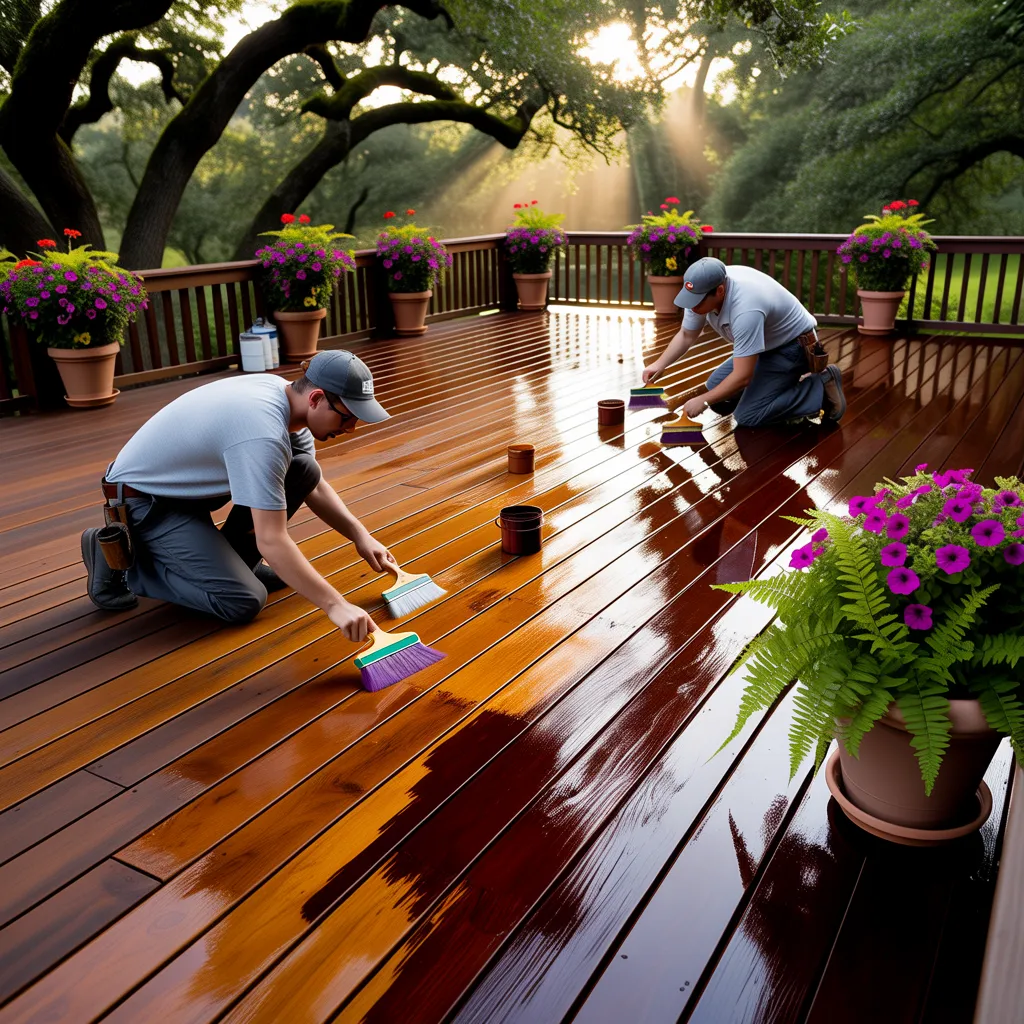
How Staining Shields Your Deck From Harm
Applying a stain to a deck offers a vital barrier against several forms of damage. This protective layer aids in stopping moisture intrusion, which may lead to fungal growth and mold buildup. By deflecting water, stains reduce the likelihood of twisting and cracking common in untreated wood. Furthermore, UV rays from sunlight can degrade the wood’s surface over time, resulting in fading and splintering. A quality stain contains pigments that guard the wood, keeping its natural color and integrity intact.
Furthermore, staining enhances the deck's protection to pests such as termites and wood-boring insects. This not only extends the life of the deck but also preserves its aesthetic appeal. Regular upkeep through staining ensures that the deck remains in optimal condition, reducing the need for costly repairs. Overall, deck staining is a essential process that protects the structure while enhancing its visual charm.
Selecting the Perfect Stain: Oil-Based vs. Water-Based
When choosing a stain for deck care, homeowners must consider the differences between oil-based and water-based types. Each type offers distinct advantages, including durability and ease of application, which can significantly affect the final appearance and longevity of the deck. Understanding these characteristics, along with their respective drying times, is crucial for making an informed decision.
Oil-Based Stain Benefits
Picking the most suitable stain can significantly affect the durability and look of a deck, and oil-based stains have several distinct benefits. These stains penetrate deeply into the wood, offering top-notch protection against moisture and UV damage. Their resistance to fading ensures the color stays bright for longer periods. Additionally, oil-based stains generally need fewer applications than their water-based comparisons, making them more economical over time. They also highlight the natural grain of wood, providing decks with a rich and inviting appearance. Furthermore, oil-based products usually dry more slowly, enabling better absorption and a smoother finish. Overall, oil-based stains represent an superior option for those looking for durability and visual appeal in deck upkeep.
Water-Based Stain Advantages
Although oil-based stains have their advantages, water-based stains also offer a compelling option for maintaining decks. These stains are praised for their lower environmental footprint, as they release fewer volatile organic compounds (VOCs), making them safer for the applicator and the environment. Additionally, water-based stains dry more rapidly, which allows projects to be completed more quickly. Their ease of clean-up with soap and water facilitates the application process for both DIYers and professionals. Furthermore, water-based stains provide rich colors and outstanding UV protection, helping preserve the deck's aesthetics over time. This mix of benefits makes water-based stains an excellent choice for improving both the durability and look of wooden decks.
Applying and Setting Times
Recognizing the variations in application and drying times between oil and water stains is essential for achieving ideal results. Oil-based stains typically need more hours for application due to their thicker consistency, allowing for a richer appearance. They usually take extended drying periods, often requiring 24 to 48 hours before the surface can be used, based on humidity and temperature. In contrast, water-based stains are simpler to use and dry considerably faster, usually within 1 to 3 hours. However, they may require multiple coats to achieve the desired depth of color. Homeowners should evaluate these elements alongside their schedule needs and climate factors when choosing the right product for their deck restoration.
Key Guidelines for Effective Skilled Deck Staining
Effective skilled deck coating calls for careful organization and performance to achieve lasting results. The opening step involves thorough tidying of the deck to strip dirt, mold, and old finishes. This may include high-pressure cleaning, scrubbing, and permitting the surface to dry completely. Next, assessment of the wood for any damages or essential repairs is important, confirming the deck is structurally sound before applying any stain.
Once setup are concluded, selecting the appropriate stain type is paramount, key information as this influences both finish and lasting quality. Contractors often opt for semi-transparent or solid stains based on client preferences and wood type. Coating should be done evenly, using brushes or rollers to confirm complete penetration into the wood. Finally, allowing adequate drying time between coats and before use is fundamental to maximize resilience and beauty, making sure the deck not only looks great but also stands the test of time.
How Frequently Should You Stain Your Deck for Optimal Results?
How often should homeowners seal their decks to ensure ideal protection and aesthetics? Specialists recommend sealing decks every two to three years, depending on factors such as climate, wood type, and usage. In severe environments, such as those with extreme sun exposure or heavy rainfall, frequent sealing may be essential to prevent deterioration.
Also, the class of stain applied can influence the pace; for instance, semi-transparent stains typically require repeated application sooner than fully opaque alternatives. Regular maintenance not only strengthens the deck's appearance but also protects against condensation, sun damage, and mold proliferation.
Homeowners should also evaluate their deck's foot traffic; heavily trafficked areas may wear away more fast, necessitating more consistent attention. Ultimately, identifying the ideal staining schedule is essential for keeping the deck's durability and curb appeal, making sure it remains a charming exterior haven for years to come.
Signals Your Deck Demands a Fresh Stain
A properly cared for deck improves outdoor living spaces, but visible damage can signal it’s time for a new stain. Homeowners should be vigilant for several important indicators. First, a deck that appears faded or discolored may no longer provide adequate protection against the elements. Additionally, if water no longer beads on the surface but soaks in instead, the wood's protective layer has likely worn away. Cracking or splintering boards also indicate that the wood is losing its integrity and needs immediate attention. Furthermore, mold or mildew growth can be a clear indication that the existing stain is failing, allowing moisture to penetrate. Finally, peeling or chipping stain is another telltale sign that the deck requires a refresh. Recognizing these signs early can help maintain the deck's beauty and longevity, ensuring it remains a cherished outdoor space.
Color and Finish Choices
When assessing deck staining, multiple color and finish options function as a key element in boosting the overall aesthetic. Preferred deck colorations extend from natural wood tones to bold hues, providing personalized choices. Additionally, assorted coating options can shape both appearance and durability, with personalization options available to suit individual preferences.
Trending Stain Tones
Picking the ideal stain color can improve a deck's visual appeal and enhance its natural beauty. Stain colors that are well-liked run the gamut from rich, deep hues to lighter, more transparent options. Dark walnut and mahogany present a luxurious, classic look, while cedar and pine stains offer a more rustic aesthetic. Grey tones have risen in popularity for their modern appeal, complementing contemporary home designs. Additionally, natural wood tones allow the grain to shine through, emphasizing the deck's inherent characteristics. For those pursuing a unique touch, bold colors like deep blue or forest green can deliver a striking statement. Ultimately, the choice of stain color should mirror personal style while blending into the surrounding environment.
Understand Finish Varieties
Stain colors play a crucial role in enhancing a deck aesthetics, but the finish type is just as critical for longevity and upkeep. Various finish types, including semi-transparent, solid, and clear, offer unique benefits. Semi-transparent stains enable the natural grain of the wood to remain visible while providing UV protection and water resistance. Solid stains provide a uniform color that hides imperfections and offers strong protection against the elements. Clear finishes, on the other hand, preserve the wood's natural appearance but require more frequent reapplication. Each finish type serves varying needs, requiring for homeowners to evaluate their deck condition and the desired look when choosing a finish type. The proper selection can significantly prolong the lifespan of the structure.
Customization Options Offered
Deck owners have a range of ways to customize to enhance their outdoor spaces. The hue selection is important, as it can dramatically impact the deck's overall look. From dark mahogany tones to neutral grays, homeowners can pick tones that match their home’s architectural style and landscaping. Additionally, finishes serve a important role in both aesthetics and protection. These include semi-transparent stains that reveal the wood's grain while offering some UV protection, or solid stains that ensure a consistent color and better durability against the elements. Each choice enables personal expression while making sure the deck stays functional and attractive. Ultimately, these customization options allow deck owners to fashion a custom outdoor retreat tailored to their personal preferences.
DIY vs. Professional Wood Staining: What Works Best for Your Deck?
When assessing how to boost the lifespan and aesthetics of outdoor spaces, the choice between DIY and professional deck staining can be essential. DIY staining enables homeowners to cut back on labor costs and offers them the flexibility to select their preferred stain. However, it requires time, effort, and a certain level of skill to accomplish a uniform finish and proper application.
In contrast, hiring skilled experts typically secures superior results, as knowledgeable contractors comprehend the best methods and products for multiple wood varieties. They can additionally manage preparation work and maintenance, which are vital for durability.
In the end, the selection relies on personal circumstances, including budget, availability, and desired outcome. For those looking for a flawless finish and lasting durability, expert assistance may be a worthwhile expense. On the other hand, if budget constraints are substantial and the homeowner is willing to invest time and effort, DIY staining can be a feasible choice.
Questions People Commonly Ask
Should I Coat My Deck When Wet Weather Occurs?
Staining a deck during rainy weather is inadvisable. Moisture can obstruct proper grip, leading to uneven application and compromised longevity. It's best to pause until conditions are dry for ideal staining results.
How Much Time Does the Staining Procedure Generally Require?
Staining generally requires three to six hours, depending on the size and state of the deck. Extra time is essential for drying, which can vary based on weather patterns and the stain type.
Which Instruments Are Required to Stain a Deck?
Critical materials needed for deck staining include a paintbrush or roller, a stain applicator pad, a sprayer for bigger areas, drop cloths to guard surfaces, and protective equipment such as hand protection and goggles for safety.
Can You Find Sustainable Stain Options In Stock?
Yes, there are sustainable stain choices accessible. Many brands supply water-based low-emission stains composed of natural ingredients, assuring negligible ecological footprint while providing superior preservation and enhancing the appearance of wooden surfaces.
Does Sealing Transform the Texture of My Deck?
Staining commonly enhances the wood's natural texture rather than altering it considerably. However, certain stains may create a slight sheen or smooth finish, which can affect the tactile experience without fundamentally modifying the underlying texture.